Conclusion: Hire AI as Your Editor-in-Chief
Hello, this is ZIDOOKA! Every long-running blog eventually faces the same problem: "Too many articles, lost overview."
With over 340 articles on ZIDOOKA!, I faced structural issues:
- Mismatch between categories and actual search traffic.
- Technical error articles spiking while other genres stagnated.
- Valuable long-tail articles getting buried without internal links.
To solve this, I used the "Export All URLs" plugin to extract all data and had ChatGPT perform an SEO diagnosis. The results were eye-opening. Here is how I did it.

1. What is "Export All URLs"?
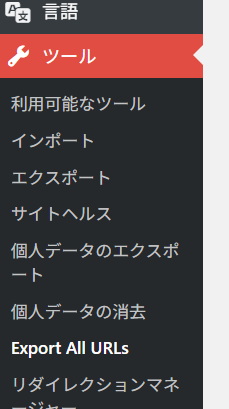
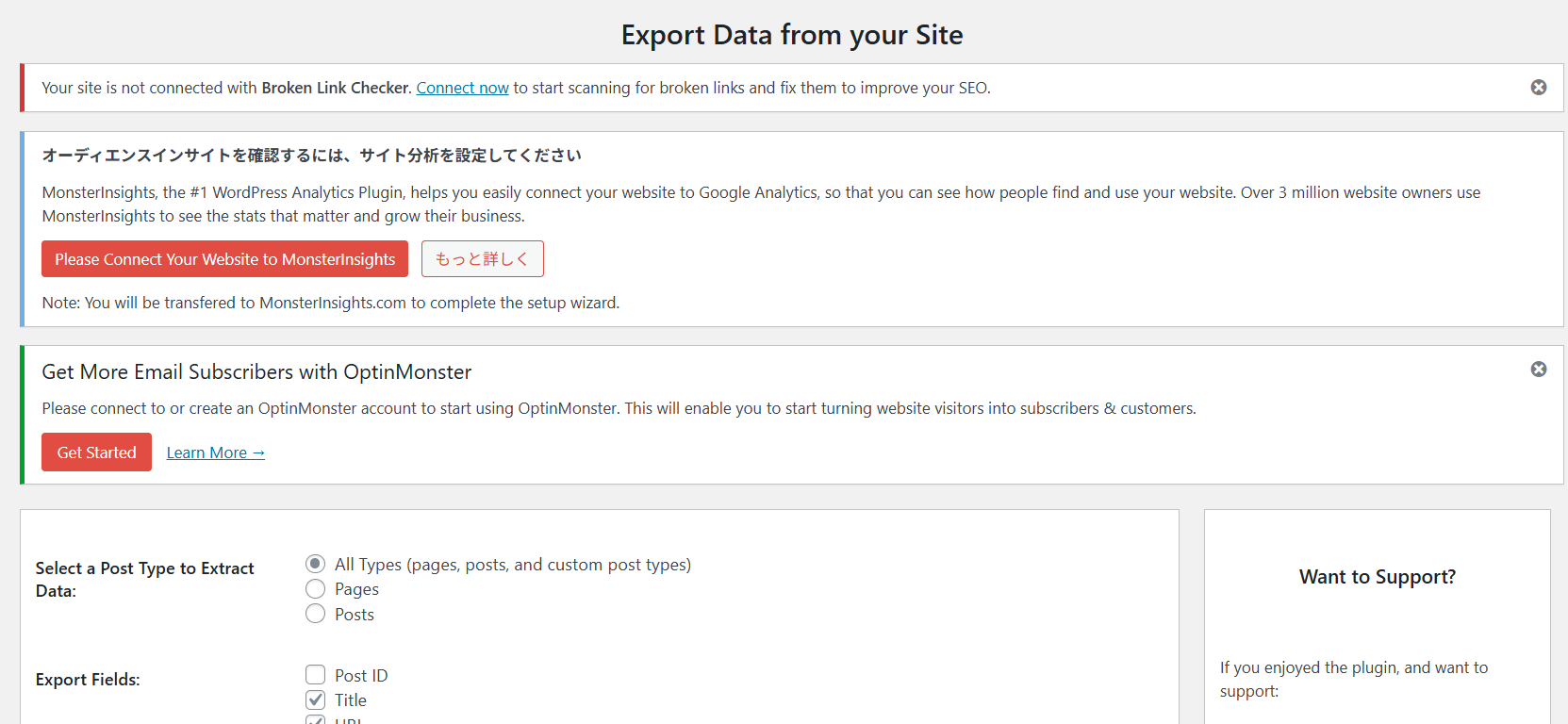
It is a WordPress plugin that exports all your post URLs, titles, and categories into a CSV file. You can access it via "Tools" -> "Export All URLs" in your dashboard.
Key Data Points:
- URL
- Title
- Date
- Post Type
This CSV acts as your "SEO Inventory Ledger."
2. The ChatGPT "Full Site Audit" Process
I uploaded the CSV to ChatGPT (GPT-4o) and ran the following analysis steps.
Step 1: Overall Trend Analysis
I asked ChatGPT: "Analyze the strengths and weaknesses of this site based on the article list."
ZIDOOKA! Analysis Results (Example):
- Strength: High E-E-A-T in "Technical Error Resolution." Consistent structure of "Cause x Experience x Screenshot x Timestamp."
- Feature: Dual-language strategy (English/Japanese) covers global search intent effectively.
It objectively verbalized strengths I hadn't fully realized myself.

Step 2: Mapping Search Intent
Next, I asked it to cluster articles based on "Search Intent."
- Troubleshooting: For users in a hurry to fix errors.
- Dev Tutorials: For users wanting to learn GAS / WordPress / Copilot deeply.
- Tool Comparisons: For users considering new tools.
This visualized "content clusters" that were invisible just by looking at WordPress categories.
Step 3: Finding the "Gaps"
This was the biggest win. ChatGPT pointed out SEO opportunity losses:
- "Some articles exist in English but lack a Japanese version."
- "High search volume themes have only one thin article."
- "Old articles (pre-2023) are ranking but contain outdated info."
Based on this, I created a prioritized "Rewrite List."
3. The Results
After implementing the fixes suggested by the audit:
- Faster Indexing: Internal linking of isolated articles improved crawler efficiency.
- Site Consistency: Clarified the site's theme, improving pages per session.
- New Topic Discovery: Found new angles like "Prevention" or "Tool Reviews" derived from error fixes.
4. How to Do It Yourself
The process is simple:
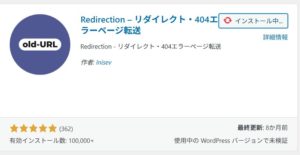
- Install Plugin: Install "Export All URLs" and export your CSV.
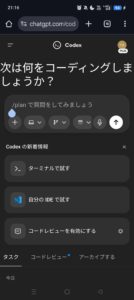
- Upload to ChatGPT: Use the Code Interpreter (Advanced Data Analysis) feature.
- Enter Prompt: Try this template:
Here is the list of all articles on my blog.
Please perform an SEO analysis based on the following:

1. Define the site's "Expertise" based on title trends.
2. Cluster articles by topic and suggest category structure improvements.
3. Identify content gaps or missed opportunities.
Summary: "All URLs x AI" is the Ultimate SEO Combo
As your article count grows, it becomes impossible for a human to grasp everything. But for AI, more data means better analysis.
Hiring ChatGPT as your "Editor-in-Chief" to perform regular health checks is a smart strategy for personal blogs to survive in the age of content saturation.