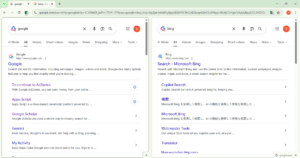
SERP (Search Engine Results Page) is the dynamic information interface shown when users search on Google or other engines. Modern SERPs are no longer simple lists of blue links—they combine ads, organic results, featured snippets, images, videos, shopping listings, FAQs, and local results to match user intent.
Understanding SERP structure gives marketers three major advantages:
- You can read what users truly want.
- You can analyze how competitors win.
- You can design content formats that match the SERP and gain more visibility.
SERP analysis is now essential for SEO, ad strategy, and content creation. Marketers who “design for the SERP” consistently outperform those who only chase rankings.